New RDF Industry Group analysis shows that intra-European trade in waste-derived fuels helped avoid more than 10.4 million tonnes of CO₂e emissions in 2023 by diverting residual waste away from landfill and into energy recovery, with Sweden, Germany and the Netherlands delivering the largest avoided-emissions contributions.
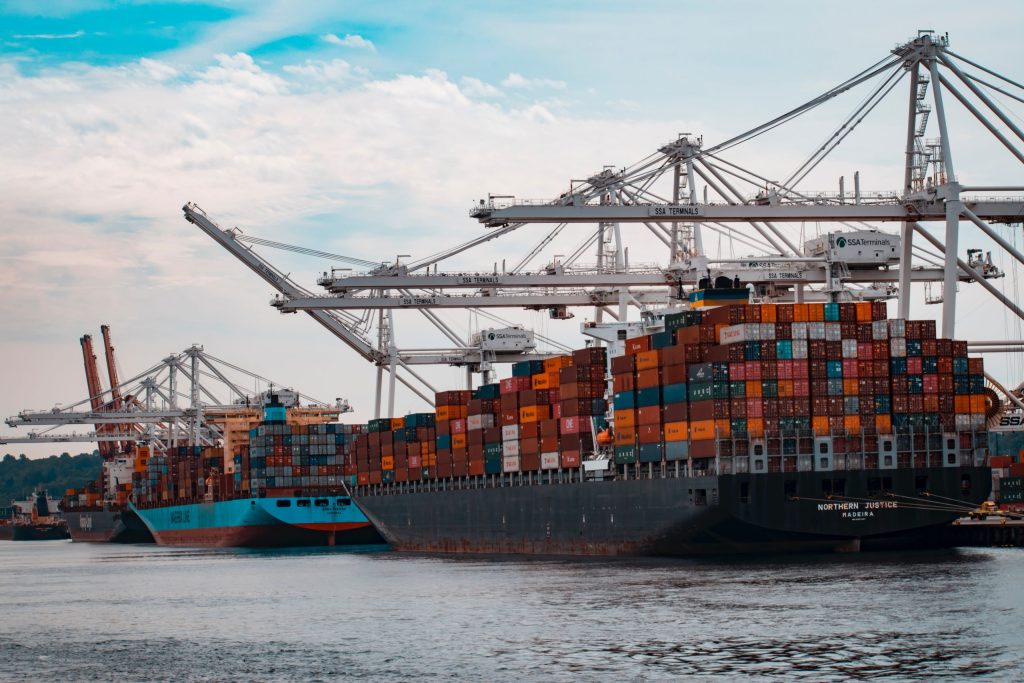
The analysis estimates that 5.8 million tonnes of waste-derived fuel moved across European borders in 2023, avoiding 10.46 million tonnes of CO₂e emissions. This benefit is delivered by moving non-recyclable residual waste from countries with limited domestic treatment capacity to countries with available energy-from-waste (EfW) infrastructure.
By ensuring residual waste is treated in EfW rather than landfilled, WDF trade helps prevent methane emissions from decomposing organic waste. This is significant because methane has a global warming potential more than 80 times stronger than carbon dioxide in a 20-year period, and the waste sector is the second-largest methane emitter in Europe.
The findings are particularly relevant to Europe’s contribution to the Global Methane Pledge, under which participants contribute to a collective global effort to reduce methane emissions by at least 30% from 2020 levels by 2030. Cross-border WDF trade supports that objective by reducing Europe’s overall reliance on landfill and making better use of existing recovery infrastructure.
Robert Corijn, Chair of RDFIG Policy Working Group, said:
“Emissions reductions from waste treatment do not stop at national borders. If Europe is to deliver commitments such as the Global Methane Pledge, it needs a collective approach that makes best use of recovery infrastructure wherever it is available. Cross-border WDF trade provides that link, moving residual waste away from landfill and into facilities that can recover useful heat and power.”
Cross-border WDF trade also delivers wider environmental and economic benefits. Exporting WDF can help countries manage residual waste where domestic infrastructure is constrained, while importing countries can generate heat and electricity, supporting energy security and reducing reliance on fossil fuels.
The largest avoided-emissions benefits were associated with WDF movements to countries with established EfW and heat recovery infrastructure. In 2023, Sweden received around 1.69 million tonnes of WDF, avoiding an estimated 3.04 million tonnes CO₂e. Germany received 990,000 tonnes, avoiding 1.78 million tonnes CO₂e, while the Netherlands received around 929,000 tonnes, avoiding 1.67 million tonnes CO₂e. Denmark also received around 535,000 tonnes, avoiding 964,000 tonnes CO₂e.
Italy and the UK were both major sources of traded WDF in 2023, reflecting domestic EfW capacity constraints relative to residual waste treatment needs. Italian material moved to markets including Germany, Denmark, Sweden and Greece, while UK-derived material was sent through routes including England to the Netherlands and Northern Ireland to Sweden. Poland was also a notable exporter, with flows to Germany, Finland and Lithuania.
The analysis uses the latest available waste shipment tonnage data from Eurostat and comparative lifecycle assessment evidence from Prognos AG. It estimates the emissions avoided when residual waste-derived fuel is treated in energy-from-waste facilities rather than landfilled.
Selected destination countries by estimated avoided emissions
| Destination country | WDF received in 2023 | Estimated CO₂e emissions avoided |
| Sweden | 1,686,780 tonnes | 3,037,891 tonnes CO₂e |
| Germany | 990,490 tonnes | 1,783,873 tonnes CO₂e |
| Netherlands | 928,844 tonnes | 1,672,849 tonnes CO₂e |
| Denmark | 535,357 tonnes | 964,178 tonnes CO₂e |
| Switzerland | 172,174 tonnes | 310,085 tonnes CO₂e |
| Hungary | 161,512 tonnes | 290,882 tonnes CO₂e |
| Greece | 148,430 tonnes | 267,322 tonnes CO₂e |
| Austria | 137,564 tonnes | 247,753 tonnes CO₂e |
| Cyprus | 130,942 tonnes | 235,827 tonnes CO₂e |
| Slovakia | 128,145 tonnes | 230,790 tonnes CO₂e |
| Spain | 94,203 tonnes | 169,659 tonnes CO₂e |
| Finland | 82,784 tonnes | 149,094 tonnes CO₂e |
| Norway | 79,443 tonnes | 143,077 tonnes CO₂e |
| Bulgaria | 61,172 tonnes | 110,172 tonnes CO₂e |
| Czechia | 56,358 tonnes | 101,500 tonnes CO₂e |
| Slovenia | 50,074 tonnes | 90,184 tonnes CO₂e |
| Bosnia and Herzegovina | 49,788 tonnes | 89,669 tonnes CO₂e |
| Lithuania | 44,784 tonnes | 80,657 tonnes CO₂e |
| Ireland | 43,324 tonnes | 78,027 tonnes CO₂e |
| France | 41,648 tonnes | 75,008 tonnes CO₂e |
Source: RDF Industry Group analysis, 2026. Data from Eurostat (2025) and LCA assumptions from Prognos AG ‘CO2 Reduction Potential in European Waste Management’ (2022)
For more information or to contact us about this work, contact the secretariat team directly at secretariat@rdfindustrygroup.org